
info@kusshal.in
+91 22 4290 0000

Best 3PL Logistics Company in Kolkata: A Comprehensive Guide
Contact Us
Blogs

Best 3PL Logistics Company in Kolkata: A Comprehensive Guide

Best 3PL Logistics Company in Kolkata: A Comprehensive Guide

Running logistics in Kolkata is different from running logistics in other metros. You have port-linked cargo on one side and dense retail distribution on the other. Most companies trying to scale operations from this region face one issue that keeps returning, that is, the backend always takes more time than planned.

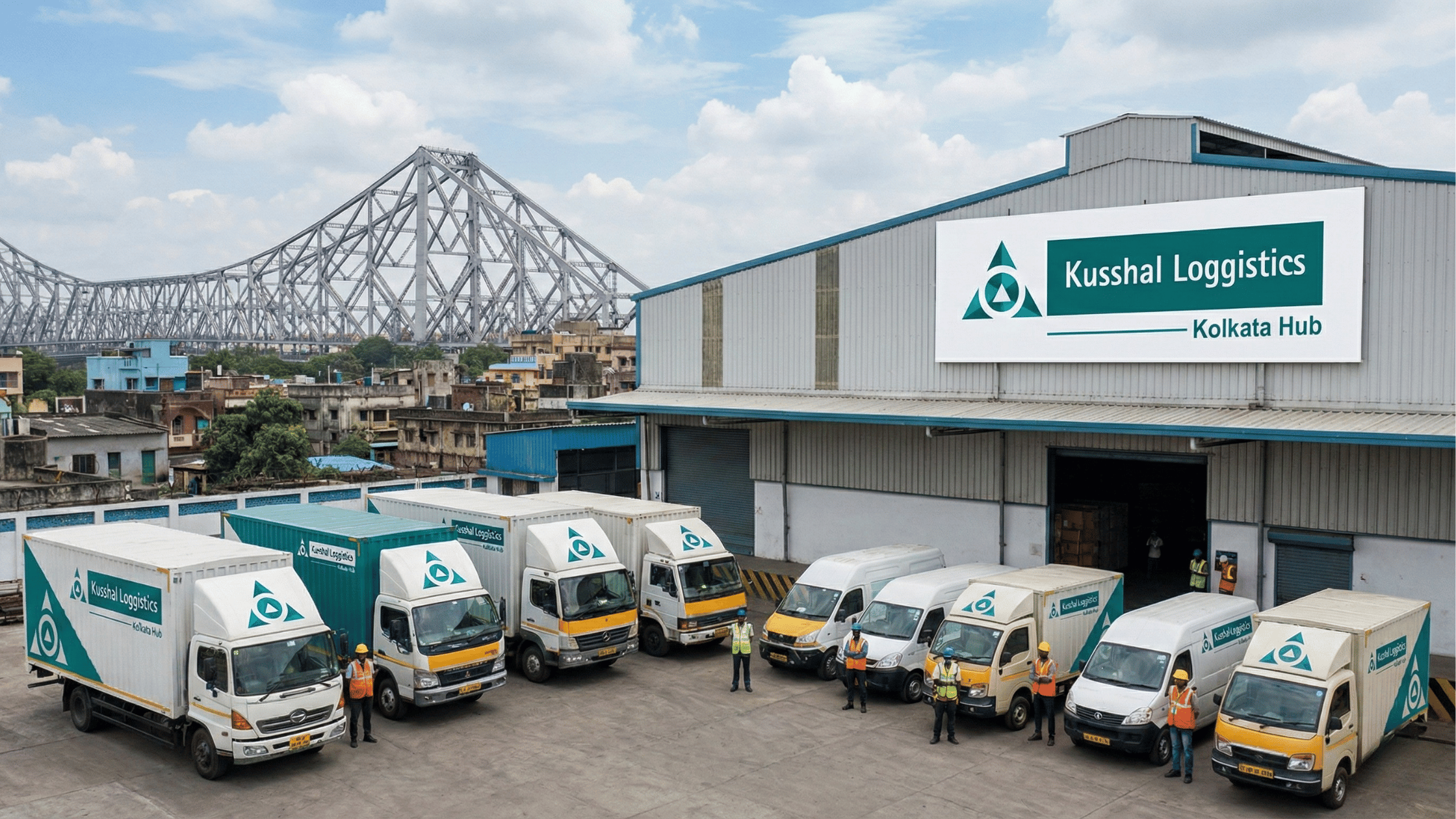
What you need is a partner who understands how Kolkata moves. Kusshal Loggistics works with that goal. They do not sell scale. They build systems that can carry your business forward.

Where the Problem Usually Starts:

It often begins with one order delay that no one tracks. Then a few returns sit unprocessed. One driver refuses to pick up without cash. The inventory goes missing from your sheet even though the warehouse team says it is there.

These are not once-in-a-while issues. They are part of everyday movement in cities like Kolkata where warehouse clusters, narrow truck entries, and unstructured shift timing slow everything down.

  • Stock arrives without clear segregation.
  • Orders are packed late due to overlapping tasks.
  • Local transport vendors drop off early and collect late.
  • Tracking updates are always a few steps behind the reality.

This is where most internal teams begin losing time. And eventually, control.

What You Get When You Shift to Kusshal:

You stop worrying about warehouse flow, truck line-ups, and daily order batching. You stop asking for Excel trackers that no one updates. You stop managing people who were never trained to think about long-term stock visibility.

Kusshal steps in to do what your backend should have done from the start.

  • Accept incoming goods with real-time logging.
  • Store stock in predefined bins mapped to order zones.
  • Handle dispatch based on agreed pick-up windows.
  • Assign vehicles based on load plans, not vendor mood.

You still run your business. They run the logistics part without asking you twenty questions a day.

Why Kolkata Needs a Different Setup:

If you are based in Kolkata, you are most likely shipping to the North East, Bihar, Jharkhand. This means you are dealing with longer lead times, mixed road quality, customs zones, and unpredictable traffic delays.

You do not need faster trucks. You need a logistics plan that handles:

  • Buffer stock where your buyers are.
  • Transport scheduling based on route volatility.
  • Inventory visibility when road returns take longer than expected.

Kusshal works inside this problem. They do not fight it. They map your current demand, align it to your dispatch routes, and bring stability over speed.

Who They Are and How They Work:

Kusshal Loggistics started as a process-first company. Their founder, Rahul Kejriwal, did not come from a presentation deck. He came from a supply chain background with roots from manufacturing.

  • Rahul studied supply chain, and logistics before setting up warehouse-led operations in 2014.
  • The original business operated under another company several years before shifting to the Kusshal brand in 2024.
  • Today, their teams run operations in cities like Bhiwandi, Jaipur, Ahmedabad, Delhi, and now Kolkata.

They do not sell full-service packaging. They handle your backend in a way that removes friction from daily order movement.

You Get Control Without Micro-Managing:

A logistics partnership only works when you stop needing to follow up after assigning work. That is the structure Kusshal provides.

  • Warehouses are WMS-enabled with scan-in and scan-out records.
  • Pick lists are generated by system, not manual sorting.
  • Dispatches are scheduled based on pre-approved timelines.
  • Transport is GPS-tracked, and delays are logged for review.

If something goes wrong, your team sees it before the client does. That is the level of control most businesses need.

Fulfilment That Works With You, Not Against You:

Whether you run B2B dispatches or D2C fulfilment, your order volume spikes on some days and drops on others. Kusshal’s fulfilment team does not ask you to predict. They work with real numbers and real pick-paths.

  • Orders are batched based on delivery zone, not just product type.
  • Pack stations follow FIFO, LIFO, or client-specific sort rules.
  • Returns are checked, logged, and re-shelved within fixed time windows.

The goal is to keep your warehouse moving while your sales grow in the front end.

Transport Support That Runs Without Reminders:

Delhi trucks do not behave like Kolkata trucks. Kusshal builds city-based dispatch routes that work for actual road conditions. They plan for transit delays, offloading queues, and border hold-ups. They assign drivers based on route experience, not just availability.

  • You can send large consignments through FTL bookings.
  • You can move smaller loads through milk-run routes.
  • Reverse pickups are built into the system and not done ad hoc.

<> You do not have to repeat yourself every day. Once a schedule is locked, the backend team follows it until the load plan changes.

Who This Works For:

Kolkata’s market includes brands that do not fit inside one category. Kusshal has handled mixed sectors and understands that each SKU type behaves differently in storage, picking, and shipping.

  • FMCG brands with high rotation and strict expiry cut-offs.
  • Homeware and lifestyle sellers with seasonal demand and high returns.
  • Hardware and tools suppliers with fixed dispatch patterns.
  • Personal care and wellness sellers that need stable packaging flow.

No brand is forced into a common template. The backend is tailored based on actual dispatch behaviour.

What Happens When You Scale:

Growth brings chaos if you are not prepared. But Kusshal builds systems that keep pace with scale. Whether your order count doubles or your SKUs triple, the structure remains intact.

  • They increase bins, not just racks.
  • They divide teams by batch zone, not shift headcount.
  • They expand truck bookings by tracking route performance week over week.

You do not feel the growth as a crisis. You experience it as a smoother flow of recurring orders.

Why Businesses Stay:

Most businesses do not leave because of cost. They leave when they stop trusting the backend. Kusshal works every day to remove that reason.

  • You get daily communication without vague updates.
  • Your stock moves without untracked gaps.
  • Your delays are fewer and your teams stop firefighting.

That is what staying power looks like in cities like Kolkata.

FAQs

1. How does Kusshal manage dispatches from Kolkata to the North East?
Kusshal assigns fixed lanes for this region based on past route performance. Trucks are GPS-tracked. Delays are flagged early, and all updates are shared with client teams. Orders are not released without confirmation of vehicle availability.

2. Can Kusshal support brands handling both retail and wholesale orders?
Yes. Warehouses are divided based on order type and picking flow. Bulk orders and daily packs are handled separately to avoid overlap. Dispatch timing, packaging materials, and stock counts are managed based on client rules. The goal is clear separation and repeatable output.

3. What happens if an order is returned after delivery?
The return is scanned at entry, matched to the original order, and moved to the return zone. It is checked, re-packed if allowed, and shelved back into the system. Daily reports show reasons for rejection, quantity received, and product condition to avoid repeat issues.

4. Can Kusshal work with businesses that already have their own systems?
Yes. Teams map your current setup before taking over. Existing trackers, order flows, and packaging protocols are reviewed and followed. If needed, the system can run parallel until full transition. You are not forced to shift your process unless there is a clear problem.

5. How quickly can Kusshal start operations for a new client in Kolkata?
That depends on your current stock readiness and order size. If bins and flow are clear, setup begins within days. If layout or transit planning is required, it takes longer. A project head is assigned who handles mapping, onboarding, and first-phase tracking.