
How to Choose the Right Transporter in Mumbai for Your Business Needs
Blogs
How to Choose the Right Transporter in Mumbai for Your Business Needs
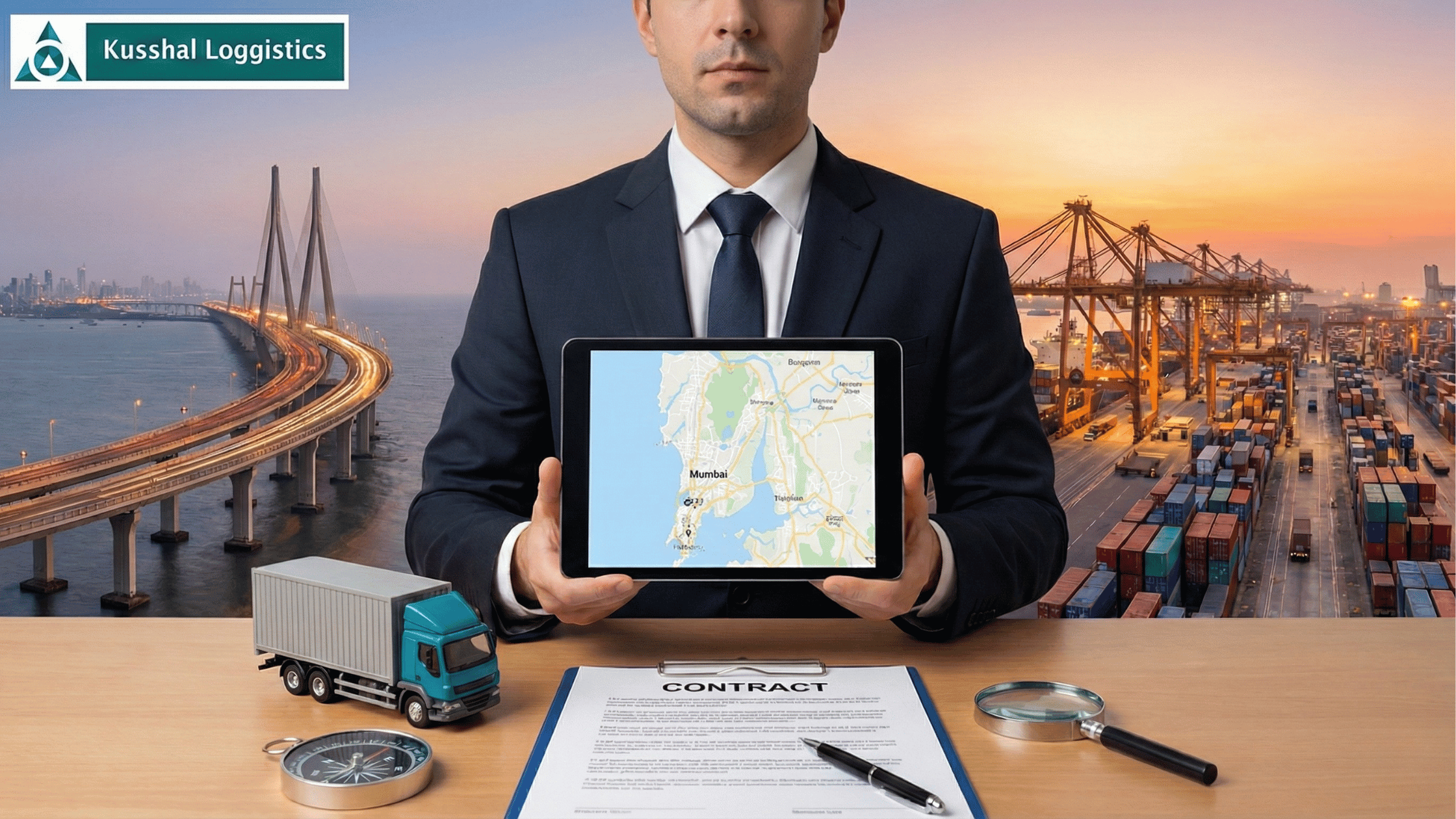
Finding the right transporter is not just about moving goods. It is about saving time and avoiding mistakes. Many small businesses treat this as a simple vendor choice. That works until an urgent shipment misses its drop or a driver refuses to wait. Then everything starts to feel urgent and reactive. That is when the cost of a poor choice becomes visible.
If you are a first-time shipper or someone trying to scale without losing control, this guide will help. It is written for business owners and teams who want fewer calls, fewer surprises and more consistency in their delivery timelines.
Start by mapping your actual delivery pattern:
Before you talk to any transporter, you need to know what kind of deliveries you are handling. Many teams make calls without doing this step. That leads to quotes that do not match your real needs.
You must check where your orders are going and how often. You must list which zones repeat each week. You must also note which shipments are full truck loads and which are not. If you serve customers directly, then you need last-mile drop support. If you move stock between your own facilities, then you need someone who knows how to handle partial loads on fixed schedules.
The more clarity you have here, the less confusion you will face later. This step takes time, but it makes everything else easier.
Look for a transporter who already works in your delivery zones:
Mumbai is large and uneven. Traffic patterns change every hour. You do not want to work with someone who only knows half the city.
Your transporter must already serve key business hubs such as Bhiwandi, Taloja and Turbhe. They must also be able to handle return drops if your goods need to come back from a failed delivery or a customer rejection. If you are shipping beyond the city, they should already have drivers running on Pune, Nashik or Surat routes.
The more familiar they are with your locations, the faster they will respond. You will not need to explain the same thing again and again. That saves time along with stress.
Ask about fleet variety and readiness:
Some businesses need small vehicles that fit into narrow lanes. Others need closed-body trucks to keep goods dry during monsoon. What you need will change based on your product and your daily volumes.
A good transporter should be able to send the right vehicle on short notice. They should not offer only one type. They should also be able to pair your route with another if that helps reduce cost. Every transporter says they have vehicles. What matters is how they allocate and how fast they respond when you need a specific size.
Live tracking is important here. If your vehicle does not have GPS, then you lose visibility. That adds friction when customers ask for updates. Most experienced players already have GPS in place. You must ask before booking.
Do not over-optimise on price:
The cheapest quote usually comes with the most surprises. It may not include loading. It may not include waiting. It may charge extra for stairs or short distances. Then your final cost is not what you planned.
Instead of chasing the lowest rate, ask for clear billing. Ask how the transporter calculates cost. Ask if they charge extra during traffic delays. Ask if there are zone-based adjustments. Ask for written estimates before each trip. That gives your team confidence while tracking expenses.
Some transporters offer fixed daily rates. Others work on per-kilometre models. Some combine multiple orders into one route. There is no single answer. What matters is clarity and predictability.
Go deeper into loading and unloading support:
This is the part most people forget. Yet this is where damage happens and delays begin.
Your transporter must send labour if you need it. They must wait without pushing your staff. They must load properly without throwing goods into the truck. If your product is fragile or bulky, they must have tools to support that.
Ask how they handle loading. Ask if they allow your supervisor to oversee the process. Ask how much time they allow at pickup before adding charges. Ask if they bring trolleys or basic equipment. These questions help you avoid last-minute panic during the actual shipment.
Confirm how delivery proof is handled:
You cannot run a business on verbal updates. You need real proof that a shipment was completed. That includes signed slips, time stamps, PoDs and location tags.
Ask how they manage this. Ask if PODs are shared digitally. Ask if e-way bills are linked to the same workflow. Ask what happens if the delivery fails. Ask if they alert your team when that happens.
Transporters with proper systems close this loop quickly. That helps your accounting and sales teams avoid bottlenecks.
Spend time talking to their operations team:
Your first call should not be with a sales rep. It should be with someone who knows how deliveries happen. That person should know how routing works. They should know what kind of delays usually happen in your zone. They should also be honest about what they can or cannot do.
Ask who will be your point of contact. Ask if the same person will stay assigned to you. Ask if they respond on weekends. Ask how they handle urgent reroutes. Ask if they can help during stock clearance or end-of-month spikes.
You will get a clear signal from how they speak. If they give real answers without rushing, you are likely speaking to the right team.
Think about growth before the pressure starts:
You may only ship a few orders now. But that number will change. Your transporter must be ready before that change happens. If you wait until volume rises, you will face a bottleneck.
You must ask if they can add extra vehicles. You must ask if they support temporary storage. You must ask if they can serve new cities without a fresh onboarding. You must also ask if they can handle product changes, such as furniture one month and electronics the next.
Some transporters like Kusshal Loggistics also provide warehousing along with transport. That helps when you need both services without two separate contracts.
Make safety part of your checklist:
Even if your products are low-risk, your transporter must still follow basic checks. Drivers should be trained. Vehicles should be maintained. Goods should not be left unattended or exposed to weather.
Ask if they rotate their vehicles regularly. Ask if drivers carry ID and work permits. Ask if loading areas are supervised. Ask if they allow combined shipments or only single-party loads. You must be clear about this before the first order is picked up.
This protects your brand and your inventory. It also reduces the number of issues your team has to solve on their own.
Keep things simple but controlled:
You do not need complex dashboards or software to work with a transporter. You need someone who answers calls. You need someone who gives honest timelines. You need someone who treats your delivery like their own.
If your team does not feel the pressure of following up five times a day, then your transporter is doing a good job. If your orders arrive on time without drama, then you have made the right call.
If you are looking for a transporter in Mumbai who already works with multi-zone pickups and time-bound drops, you can explore how Kusshal Loggistics operates. Their model combines warehouse support with transport, which helps reduce back-and-forth between teams.
You stay focused on your sales and operations. Let your transporter handle the road.
FAQs
How do I know which transporter fits my delivery pattern?
You need to track how your orders move each week. That includes delivery zones, order frequency and shipment size. Once this is mapped, you can shortlist only those transporters who already serve the same zones and support your kind of loading requirement.
What should I check before agreeing on transport cost?
Do not rely only on the quote. Ask if the price includes loading along with waiting and delivery confirmation. Ask if rescheduling affects the rate. Ask for all terms in writing. This will help your team avoid billing surprises and manage costs across monthly orders.
Why is it risky to choose a transporter without live tracking?
Without GPS tracking, your team will spend time calling drivers for updates. That adds stress during deliveries. It also creates confusion during late arrivals. A transporter who provides real-time location helps you stay on schedule and keeps your customers informed without extra effort.
What makes delivery proof important for growing businesses?
Without signed delivery slips or digital confirmation, your accounting and customer teams will face delays. PODs help you close the dispatch cycle. They also prevent confusion about completed orders. A good transporter sends this without reminders and links it to your billing cycle.
What happens if my transporter cannot handle scale?
If your transporter is not ready when orders increase, your deliveries will fall behind. You will face vehicle shortages along with late drops. This affects your growth and causes order backlog. Choose a partner who can handle demand changes without needing fresh onboarding every time.